


”What military caregivers and families need to know — and one place to start
Reading time: 4 Minutes
MWi Hack:
-
One conversation with the VA Caregiver Support Line can tell you whether you qualify for a monthly financial stipend you may not know exists.
MWi Summary:
- Financial stress produces measurable physical effects — disrupted sleep, elevated blood pressure, weakened immunity, and increased pain — making it a health issue, not just a money issue.
- Military caregivers and families report finances as their top concern by a wide margin, and the economic pressure is structural: caregiving often means lost income and higher expenses at the same time.
- The VA’s Program of Comprehensive Assistance for Family Caregivers (PCAFC) offers eligible caregivers a monthly stipend, health insurance, respite care, and mental health support — and many who qualify have never applied.
- The CFPB Military Financial Resources center provides free, military-specific financial tools that require no enrollment and no referral to access.
- Naming financial stress in community — with people who share this experience — measurably reduces its physical impact; connection is not just support, it is part of the health response.
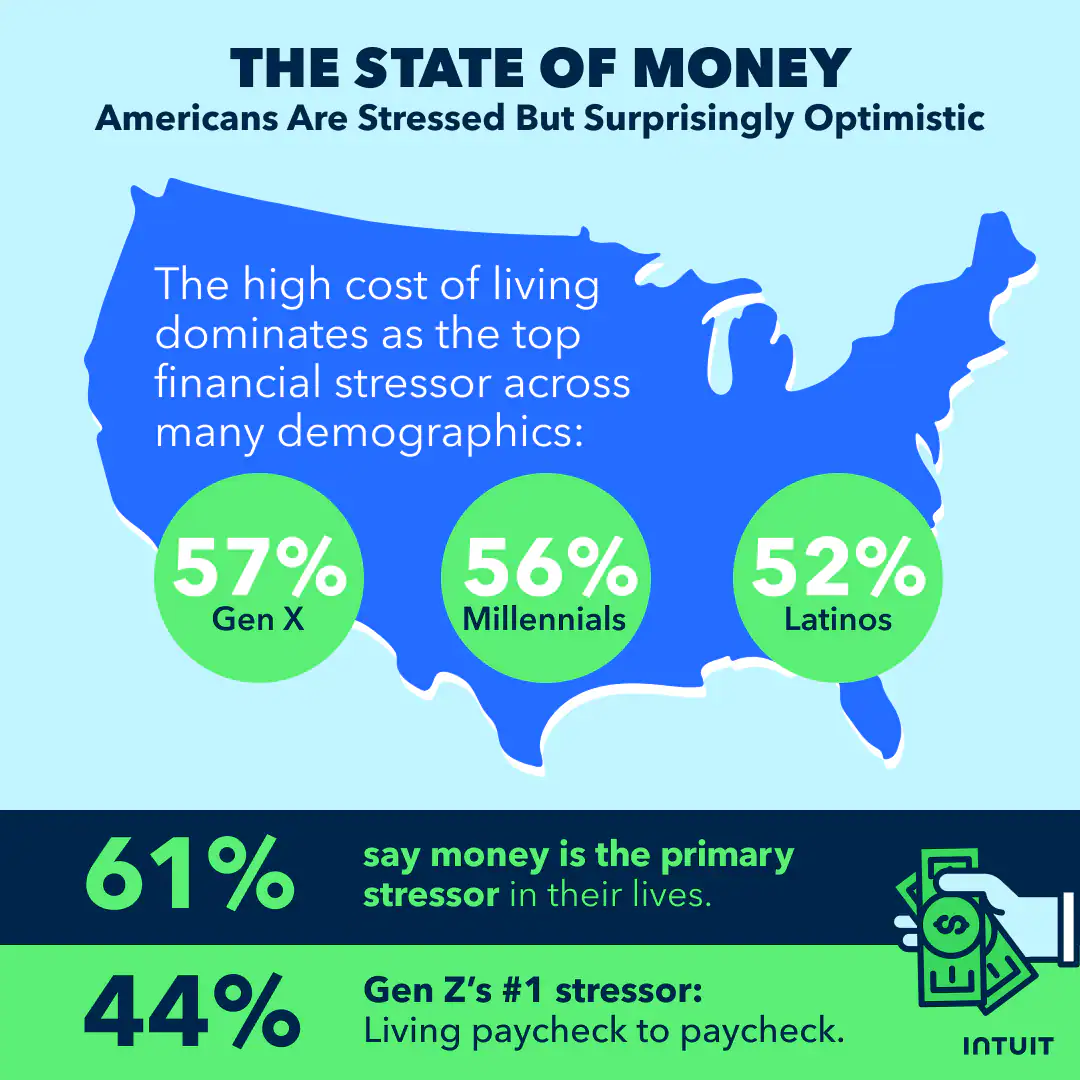
Financial stress is not just a budget problem. For military caregivers and families, it is a physical health problem — and one of the most common health challenges in this community.
When money is tight for a sustained period, the body responds the way it responds to any chronic threat. Sleep deteriorates. Blood pressure rises. The immune system underperforms. Pain feels sharper. These are not coincidences or signs of weakness. They are predictable biological responses to economic pressure that does not let up. The body does not distinguish between a threat you can see and one that arrives in the form of a bill.
Our community’s own survey data confirms what many already feel: finances are the single most-cited concern for military caregivers and families — by a significant margin. If that is where you are right now, you are not alone, and you are not failing.
Here is what needs to be said directly: the financial constraints caregivers face are structural. Caregiving frequently means reducing or leaving paid work at the exact moment care-related expenses go up — healthcare, transportation, equipment, medications. The math is hard because the situation is hard, not because of anything you did wrong. Naming that honestly is where solutions start.
There are real resources. Most people haven’t accessed them.
The VA’s Program of Comprehensive Assistance for Family Caregivers (PCAFC) provides a direct monthly stipend to eligible caregivers of post-9/11 Veterans. It also includes health insurance, mental health services, respite care, and caregiver training. Here is what matters most: a significant number of caregivers who qualify for this program do not know they qualify.
If you are caring for a Veteran and you have not looked into PCAFC, that is your first step. One call to the VA Caregiver Support Line at 1-855-260-3274 can confirm eligibility and walk you through what comes next. The CFPB Military Financial Resources center offers additional financial tools built specifically for military families — no cost, no enrollment required.
Connection is also a health intervention.
What we consistently see in this community: when caregivers name financial stress together, the physical weight of it decreases. Isolation makes chronic stress worse. Peer connection — with people who understand the specific economics of this role, not generic advice — genuinely helps. That is not a soft finding. The data supports it clearly.
You do not have to solve everything this week. But one call, one conversation, one resource — that is a real first step. And this community is here to take it with you.
VA Caregiver Support Line: 1-855-260-3274 · caregiver.va.gov · consumerfinance.gov/consumer-tools/military-communities
Through our responsive content and dedicated support, MWi continues to serve the modern military and Veteran community by providing relevant, practical strategies for enhancing connection and wellness.