

Reading time: 5 Minutes
MWi Hack:
If nightmares are disrupting your sleep, try this: the next time one wakes you, write it down in brief (just the outline) and then write a different ending. One that isn’t a threat, even if it’s mundane. This is the first exercise in Imagery Rehearsal Therapy, one of the most evidence-supported nightmare treatments available, and it works whether or not you have access to a therapist. The rewrite doesn’t have to make sense. It just has to not be the original ending.
MWi Summary:
- Sleep disruption is the most commonly experienced consequence of stress and trauma in this community, and the one most likely to go unaddressed because it gets normalized as part of the deal.
- Nightmares and insomnia are distinct problems with distinct treatments. Treating one without addressing the other is why sleep interventions sometimes produce only partial results.
- Cognitive Behavioral Therapy for Insomnia (CBT-I) outperforms sleep medication for long-term outcomes in most research. It’s available free through the VA’s CBT-I Coach app.
- Imagery Rehearsal Therapy (IRT) is specifically designed for nightmare disorder and PTSD-related nightmares. The evidence base has grown significantly in the last decade.
- Alcohol is one of the most common variables working against sleep treatment in this population. Even moderate use before bed suppresses REM in the first half of the night, then triggers a rebound in the second half that directly increases nightmare intensity. It is frequently the reason behavioral treatments produce inconsistent results.
- The tools are more accessible than most people in this community know. Most evidence-based options are free, app-based, or available through VA primary care without a specialty referral.
Sleep is where the military community carries a lot of what it doesn’t talk about during the day. Not in a clinical sense, though that’s true too, but in the practical sense that disrupted sleep is among the most normalized things in the veteran and active-duty population. You run on less. You manage it. You don’t connect it to anything until it’s been years and someone finally asks.
PTSD Awareness Month is the right time to name what happens at night. Sleep problems don’t require a PTSD diagnosis. But the research on what causes them, what maintains them, and what actually resolves them has changed significantly in the last decade. Most of the people who could benefit from that research haven’t heard about it yet.
What’s Actually Happening
Sleep in the presence of chronic stress does two things that work against each other. First, the nervous system stays elevated. Threat-detection systems calibrated for operational environments don’t automatically stand down when the environment changes. Second, the body still requires sleep to consolidate memory, regulate emotion, and restore physical function. The tension between those two demands is where the problems show up: difficulty falling asleep, hypervigilance at bedtime, early waking, and nightmares.
Nightmares in this context aren’t random. They’re the brain running threat-related memory through the consolidation process, and when that process is disrupted, it loops. The content of nightmares in trauma-exposed populations tends to replay or modify threat material rather than resolve it. That’s why telling yourself to “just not think about it” before bed doesn’t work. The processing happens below the level of conscious intention.
Two Problems, Two Treatments
The research is now clear that insomnia and nightmare disorder are distinct problems that frequently co-occur. Treating one without addressing the other is the most common reason sleep interventions produce partial results.
Cognitive Behavioral Therapy for Insomnia (CBT-I) addresses insomnia directly through sleep scheduling, stimulus control, and cognitive restructuring of the beliefs that maintain insomnia over time. Multiple meta-analyses have found CBT-I outperforms sleep medication for long-term outcomes, with lower relapse rates. The VA’s CBT-I Coach app delivers a structured program at no cost and can be used independently or alongside care.
Imagery Rehearsal Therapy (IRT) was developed specifically for nightmare disorder and has been studied extensively in trauma-exposed and PTSD populations. The core technique: write down the nightmare, then write a different ending. The rewrite is practiced during waking hours, not at bedtime, until the brain’s stored version of the nightmare begins to shift. Research published in the Journal of Clinical Sleep Medicine has found IRT produces significant reductions in nightmare frequency and intensity, with effects that persist at follow-up.
What Gets in the Way
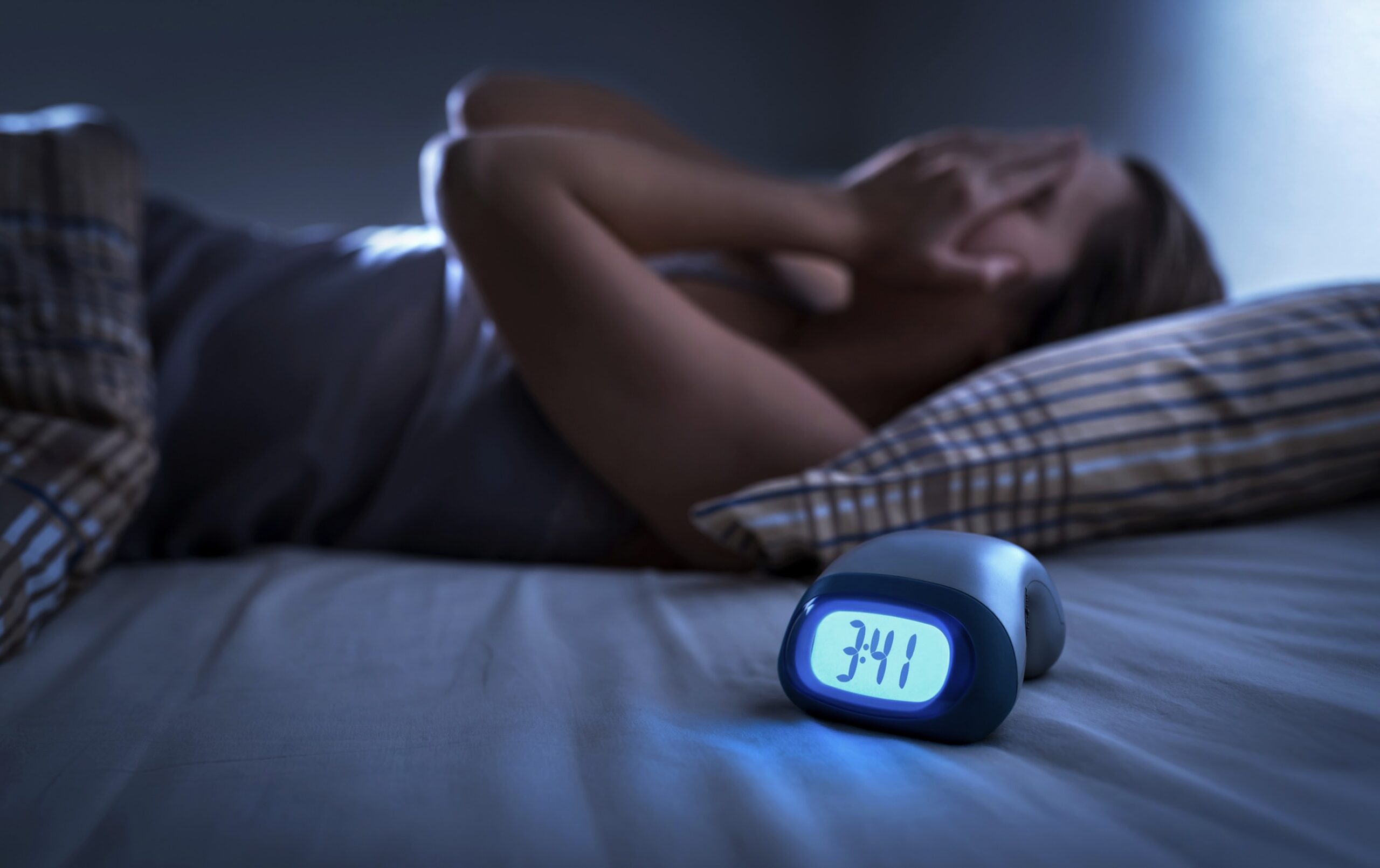
Alcohol is the most common unaddressed variable in veteran sleep treatment. It is frequently used to fall asleep faster, and in the short term it works — it does reduce the time to sleep onset. The problem is what happens after. Alcohol suppresses REM sleep in the first half of the night. When it metabolizes, the nervous system compensates with a REM rebound in the second half, producing more intense and more frequent nightmares precisely during the hours when the drug is wearing off. The thing being used to take the edge off before bed is directly feeding the problem that wakes you up at 3 a.m.
This is worth naming directly because it explains a pattern many people in this community have experienced: trying IRT or CBT-I, getting inconsistent results, and concluding the treatment doesn’t work. If the baseline nightmare frequency is being driven by rebound REM, the behavioral intervention is working against a variable that isn’t being addressed. Reducing alcohol before sleep doesn’t require a clinical appointment. It is a change that shows results within days, and it removes an interference that undermines everything else.
What’s Available Right Now
The VA’s PTSD Coach app includes sleep modules alongside symptom tracking and coping tools. CBT-I Coach is a separate app delivering the full CBT-I protocol. Both are free and don’t require VA enrollment to download.
For provider-supported treatment, VA primary care can initiate a referral to behavioral sleep medicine or PTSD specialty care. Military OneSource offers free confidential counseling (up to 12 sessions per issue per year) for service members and families not connected to VA care.
For family members and friends, two resources are specifically built for that audience. The VA PTSD Family Coach app (free, no VA enrollment required) is designed for the people around the veteran or service member, not the member themselves. It covers what to expect, how to be helpful without burning out, and how to take care of yourself while supporting someone else. Give an Hour connects military families to licensed mental health providers at no cost. It is not VA-connected and does not require military affiliation, which makes it accessible to friends and extended family who want support but aren’t sure where to go.
The research on what helps has moved forward. Most of what works is free, and most people in this community don’t know it exists.
Through our responsive content and dedicated support, MWi continues to serve the modern military and Veteran community by providing relevant, practical strategies for enhancing connection and wellness.
Sources: VA/DoD Clinical Practice Guidelines for the Management of PTSD and Acute Stress Disorder (2023 update); Journal of Clinical Sleep Medicine, Imagery Rehearsal Therapy research; American Academy of Sleep Medicine clinical practice guidelines for nightmare disorder; National Institute on Alcohol Abuse and Alcoholism (NIAAA), alcohol and sleep architecture research; CBT-I Coach, PTSD Coach, and PTSD Family Coach apps, VA National Center for PTSD; Give an Hour, giveanhour.org. Original content for MWI.