
”Question: Why does Brain Awareness Week matter for Veterans?
Reading time: 6 Minutes
MWi Hack:
-
Protect your brain by moving daily, sleeping seven to nine hours, eating foods that fight inflammation, and staying connected to your community — because for the milVet community, these are not wellness suggestions, they are mission-critical habits backed by research that compounds over time.
MWi Summary:
- The milVet community carries a disproportionate brain health burden — 450,000+ TBI diagnoses since 2000, PTSD affecting up to 20% of post-9/11 Veterans, and suicide rates 1.5 times higher than civilians — with neurological factors at the core of every number
- Brain health risks compound each other: TBI, chronic sleep deprivation, toxic exposure, and deployment stress do not operate independently — they stack, creating complex neurological pictures that standard clinical frameworks rarely capture in full
- Regular aerobic exercise increases brain-derived neurotrophic factor, reduces cognitive decline risk by up to 35%, and directly improves sleep architecture and PTSD symptoms — making movement one of the highest-return brain health investments available
- Sleep is neurological maintenance — the brain clears Alzheimer’s-linked proteins almost exclusively during deep sleep, and the 76% of service members sleeping less than seven hours per night are operating with a critical system running on empty
- Social connection is not a comfort — research shows isolation is as damaging to brain health as smoking 15 cigarettes a day, making community the most underutilized and most accessible brain health intervention available to every member of this community
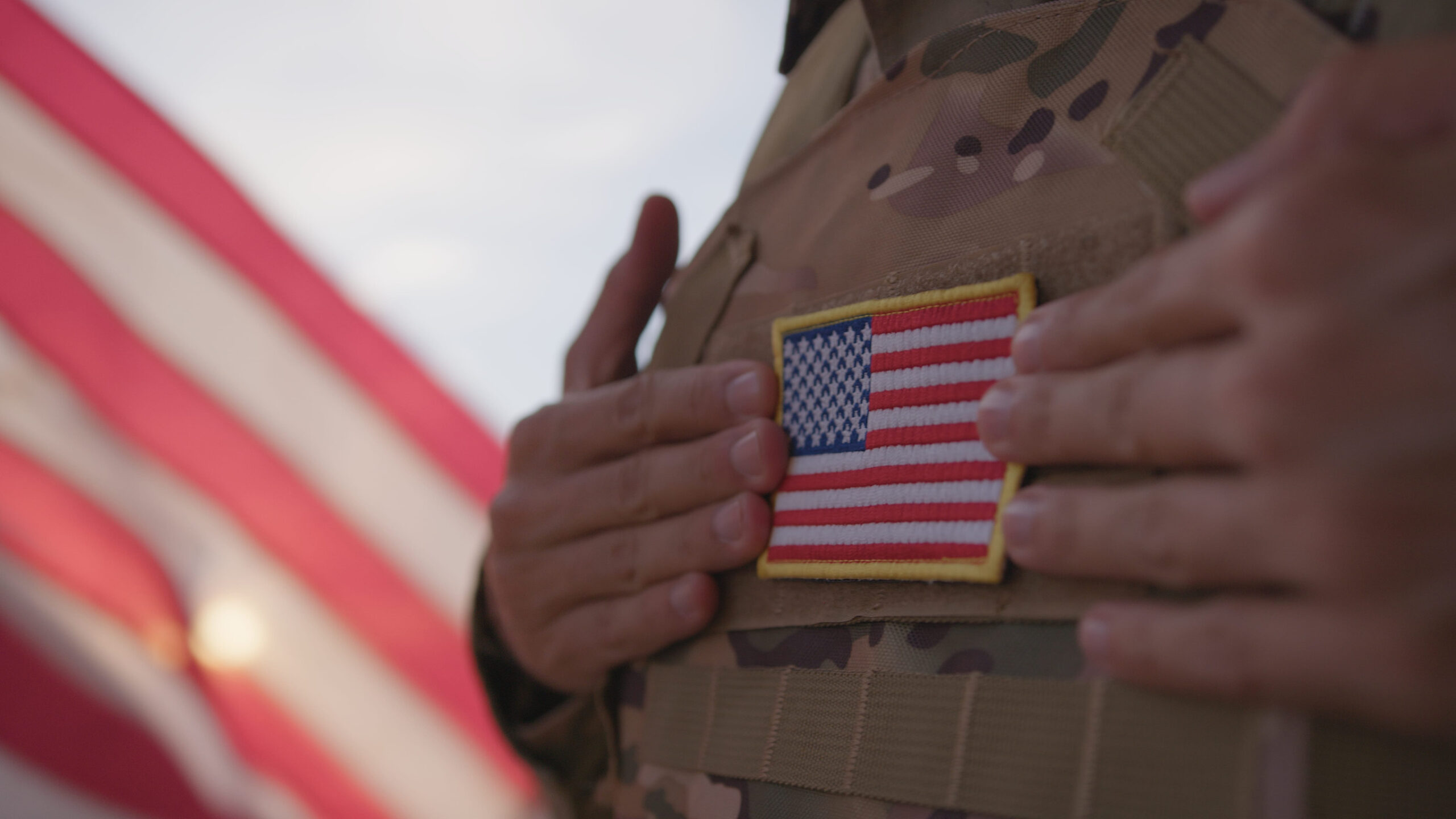
The military and Veteran community bears a disproportionate share of America’s brain health burden. More than 450,000 TBI diagnoses have been recorded in the U.S. military since 2000. PTSD — which measurably alters the structure and function of the brain — affects an estimated 11–20% of post-9/11 Veterans. Suicide rates among Veterans remain nearly 1.5 times higher than the civilian population, with neurological and psychological factors at the core of that gap. These numbers represent every branch, every era of service, and every corner of the country — from dense urban Veteran populations in cities like Houston and Jacksonville to the rural communities where more than 3.5 million Veterans live, often hours from the nearest VA facility.
Brain Awareness Week matters for this community because the wounds it addresses are invisible, cumulative, and still arriving.
The Scope Is Wider Than Most Realize
TBI is the signature wound of the post-9/11 era — but the brain health challenge facing this community extends well beyond blast exposure. Chronic stress from repeated deployments elevates cortisol levels in ways that accelerate cognitive aging and increase dementia risk. Sleep deprivation — affecting an estimated 76% of active duty service members — impairs neurological repair processes that occur exclusively during deep sleep. Burn pit and toxic chemical exposure is producing neurological symptoms that medicine is only beginning to understand, with Veterans reporting memory loss, cognitive fog, and mood disruption years after separation. Each of these conditions compounds the others. A Veteran managing TBI, chronic sleep disruption, and toxic exposure is not dealing with three separate brain health challenges — they are dealing with one complex, layered neurological picture that standard clinical frameworks rarely capture in full.
What the Research Says About Protection
The science on brain health is not only about risk. It is also about resilience — and the protective factors available to every member of this community regardless of geography, income, or VA access.
Physical exercise is among the most evidence-supported interventions for brain health available. Research shows that regular aerobic activity increases brain-derived neurotrophic factor — a protein that supports neuron growth and connectivity — and reduces the risk of cognitive decline by up to 35%. Even moderate activity, 30 minutes most days, produces measurable neurological benefit. For Veterans managing TBI or PTSD, exercise also reduces hypervigilance, improves sleep architecture, and lowers inflammatory markers linked to neurological damage.
Nutrition matters more than most people realize. Diets high in omega-3 fatty acids, leafy greens, and antioxidant-rich foods are consistently associated with reduced rates of cognitive decline and improved mood regulation. The MIND diet — a hybrid of Mediterranean and DASH dietary approaches — has been shown to reduce Alzheimer’s risk by up to 53% in those who follow it closely. These are not expensive or complicated interventions. They are accessible choices that compound over time.
Sleep is neurological maintenance. The brain clears metabolic waste — including proteins linked to Alzheimer’s disease — almost exclusively during deep sleep. Seven to nine hours is not a recommendation. It is a biological requirement. For the milVet community, where sleep disruption is the norm rather than the exception, prioritizing sleep is one of the highest-return brain health investments available.
Community Is the Intervention
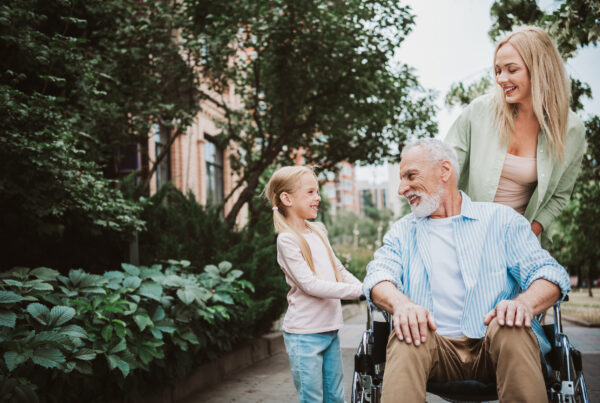
Research consistently shows that social isolation is as damaging to brain health as smoking 15 cigarettes a day. Strong social connection reduces cognitive decline, buffers the neurological effects of trauma, and improves outcomes across virtually every brain-related condition. For Veterans navigating transition — where the deep bonds of service are systematically replaced by civilian isolation — rebuilding community is not a soft priority. It is a clinical one.
Brain Awareness Week is the right moment to name what this community carries — and to act on what the research clearly shows can help. The steps are accessible. The evidence is strong. And the community that makes every step more sustainable is already here.
Start with movement. Protect your sleep. Eat with your brain in mind. And show up for the people around you — because connection is not a comfort. It is a cure.
Through our responsive content and dedicated support, MWi continues to serve the modern military and Veteran community by providing relevant, practical strategies for enhancing connection and wellness.