
”Question: What does healthier nutrition mean for me and how does that impact my exercise and movement?
Reading time: 6 Minutes
MWi Hack:
- Fuel every effort with the right nutrition and commit to movement in whatever form your body allows — because both are equally available to every member of this community and neither works as well without the other.
MWi Summary:
- The nutrition gap is real: Only 26.4% of American adults meet federal guidelines for both aerobic and muscle-strengthening activity, and the primary barrier is understanding — not motivation — with nutrition being the missing performance input most people never fully learn to use.
- Food is a performance tool, not a punishment: Protein timing, carbohydrate quality, anti-inflammatory food choices and hydration directly determine whether physical effort produces results, with research confirming that better nutrition and more movement reinforce each other in a bidirectional cycle.
- The reframe changes everything: Members who shift their thinking about nutrition from weight management restriction to strategic fueling report sustained improvements in energy, recovery and long-term adherence — a mindset available to every member regardless of age, condition or starting point.
- Movement belongs to everyone: International Wheelchair Day is a reminder that staying physically active is equally important for members living with disabilities, and that what movement looks like matters far less than the commitment to it — one in four Americans lives with a significant disability yet wellness culture rarely reflects that reality.
- This month is the opportunity: National Nutrition Month is the right moment to close the gap between knowing nutrition matters and understanding exactly how it applies to each member’s own pursuit of a healthier life, with the fundamentals accessible and the evidence clear for every member of this community.
This week, National Nutrition Month and International Wheelchair Day land together — two distinct observances pointing at the same broader truth: that healthy living looks different for every member of this community, and that the right education delivered in the right way changes outcomes for everyone.
Nutrition: The Performance Input Most People Underuse
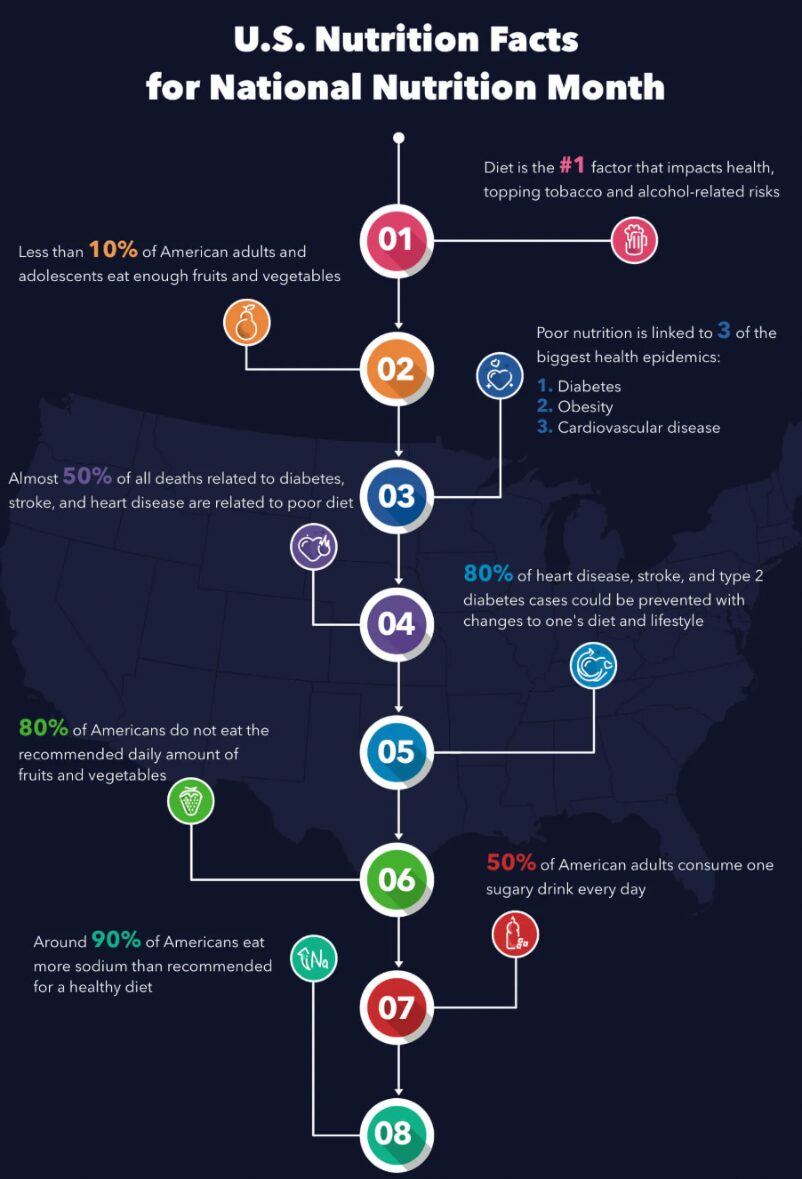
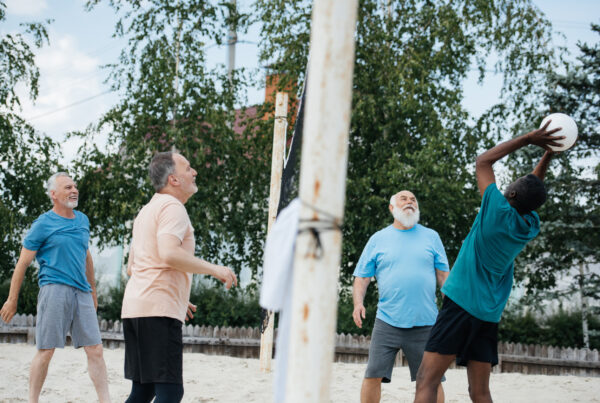
In 2024, only 26.4% of American adults met the federal guidelines for both aerobic physical activity and muscle-strengthening activity. That number drops sharply with age — adults 65 and over show the lowest rate at just 15.5%. The gap is not primarily one of motivation. It is one of understanding — specifically, that what people eat directly determines whether the effort they put into their health produces results or falls short.
The science is direct. Protein timing around activity determines whether the body repairs and builds or breaks down. Carbohydrate quality drives energy availability throughout the day. Anti-inflammatory foods measurably reduce chronic pain that limits capacity. Hydration affects strength, cognitive function and recovery speed in ways that compound over weeks into meaningful differences in long-term physical function. Research consistently shows a bidirectional relationship between activity and diet quality — people who move more tend to eat better, and people who eat better tend to move more. The entry point into that cycle matters less than starting it.
The MWi community has previously discussed that understanding nutritional timing and food quality as performance inputs — rather than weight management tools — shifts their relationship with eating from restriction to strategy. That reframe changes everything from energy levels to long-term adherence, and it applies equally to every member regardless of age, condition or starting point. This conversation is important to continue with our networks.
Movement: Still the Mission, Whatever It Looks Like
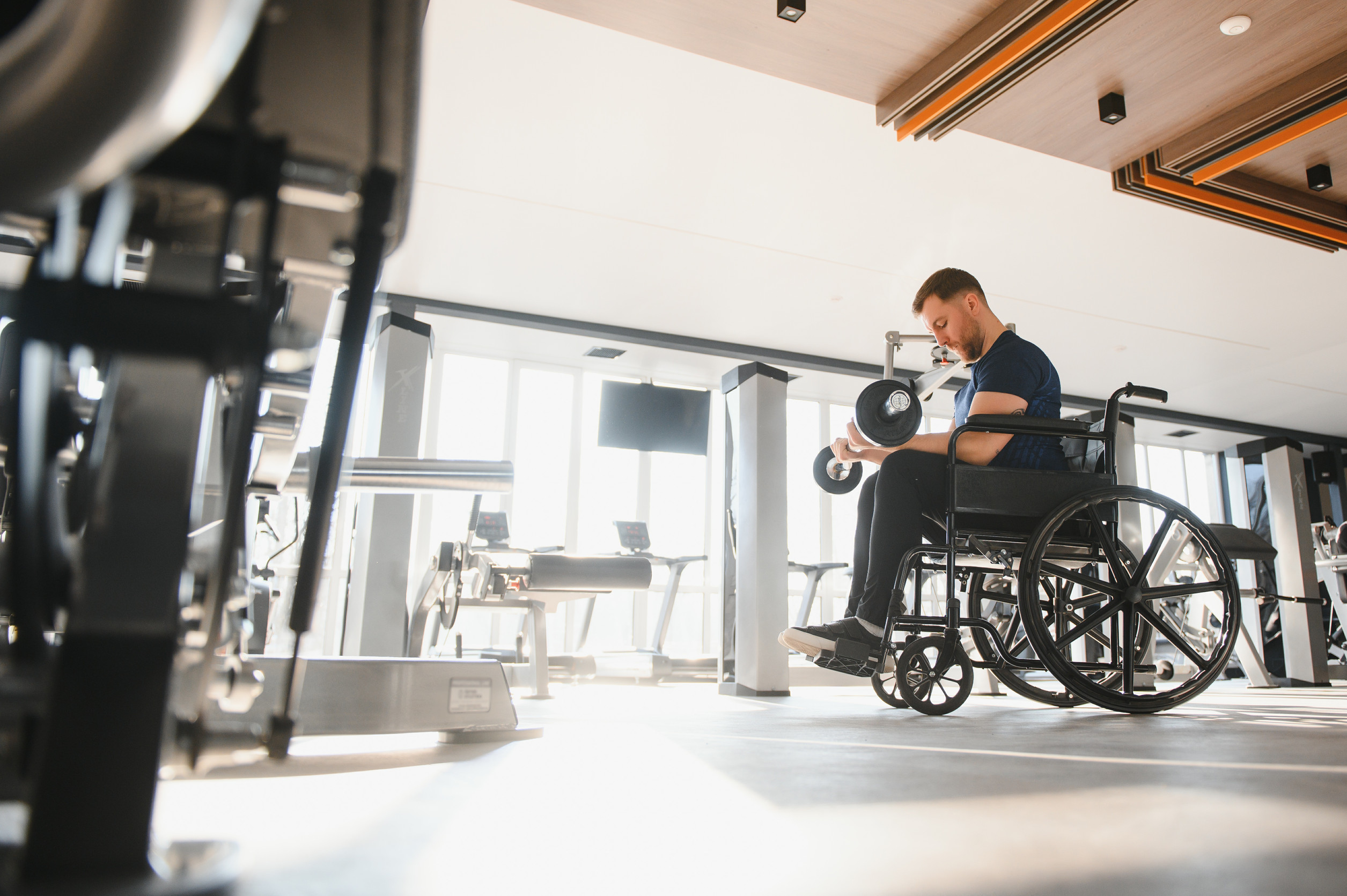
International Wheelchair Day is a reminder that movement remains equally important for every member of this community — including those living with disabilities — and that what movement looks like is far less important than the commitment to it. One in four Americans lives with a significant disability, yet wellness culture persistently defaults to a single physical standard that leaves a large portion of the population without programming or education that speaks directly to their circumstances.
Movement produces cardiovascular benefits, mental health improvements, pain reduction and stronger quality of life outcomes regardless of the form it takes. The commitment to staying physically active — adapted to whatever each member’s body allows — is the variable that drives long-term wellness outcomes across the entire community.
The Opportunity
National Nutrition Month is the right moment for every member to close the gap between knowing that nutrition matters and understanding specifically how it applies to their own pursuit of a healthier life. The fundamentals are accessible, the evidence is clear, and the only barrier is having the right information delivered in a way that reflects each member’s actual circumstances — not an idealized version of them.