

”Question: Why does movement matter more when you are stressed?
Reading time: 5 Minutes
MWi Hack:
-
Take a 10-minute walk before your first stressful task of the day — the effect on cortisol is measurable within minutes.
MWi Summary:
- Physical movement correlates with measurable reductions in cortisol and adrenaline, the hormones most associated with sustained stress.
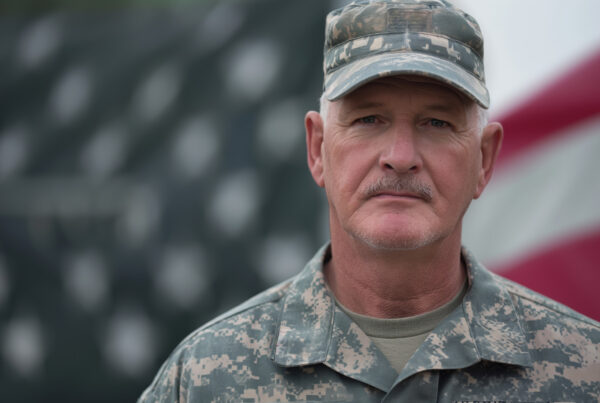
- Veterans and military families carry elevated baseline stress loads — transition, chronic pain, and financial pressure compound over time.
- Even low-intensity movement, such as a short walk, may shift the nervous system from a stress response toward a recovery state.
- The movement-stress relationship works bidirectionally: stress reduces motivation to move, and reduced movement increases stress.
- Starting small — five to ten minutes — sidesteps the motivation barrier that stops most people from beginning.
There is a version of stress that passes quickly — the kind tied to a deadline, a difficult conversation, a moment of uncertainty. And then there is the kind that accumulates: the sustained, low-grade pressure of navigating a VA system that doesn’t move fast, a job search that has gone longer than expected, a household where financial stress is a constant background note. For a significant portion of the MWi community, that second kind of stress is the baseline.
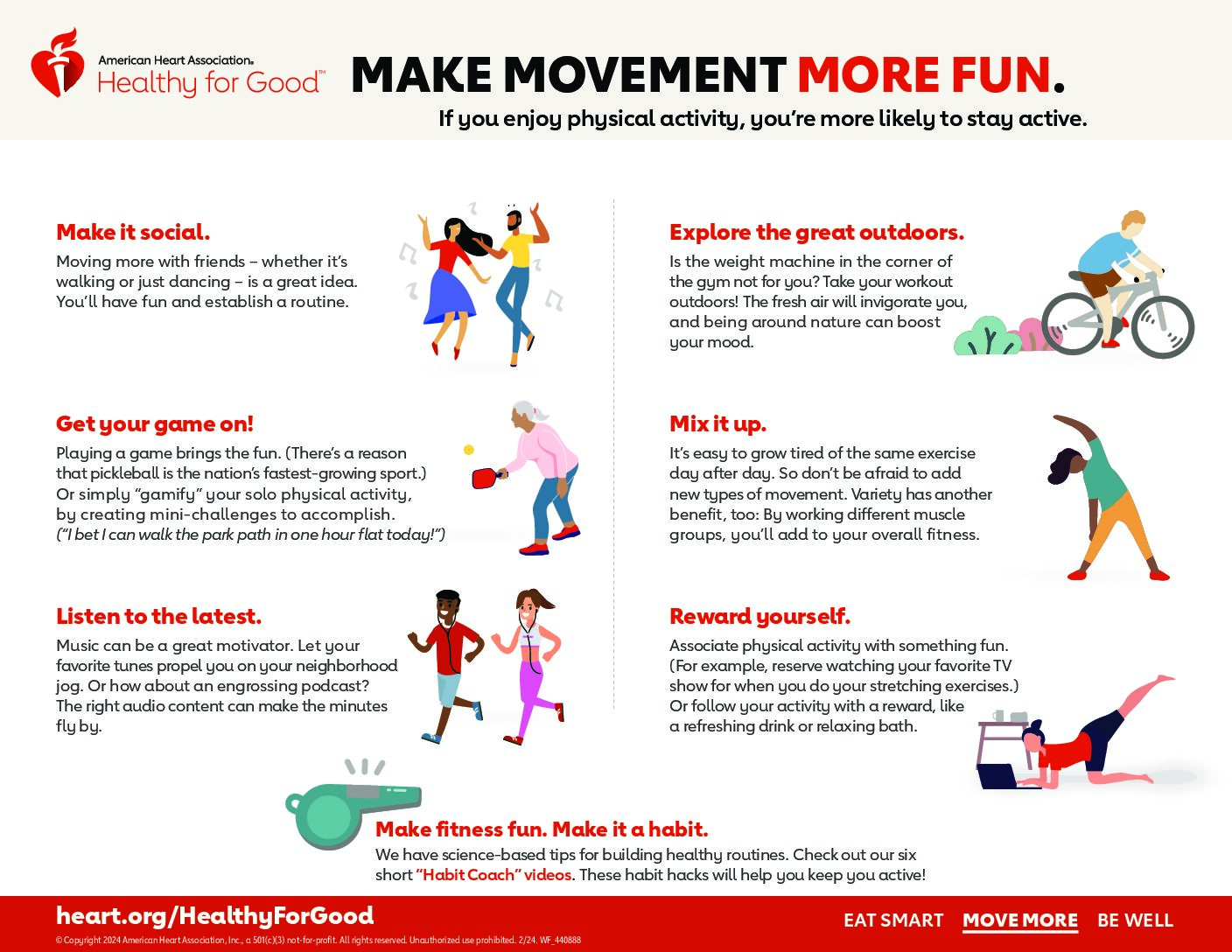
What the research suggests — consistently, across a wide range of studies — is that physical movement correlates with reduced activity in the body’s stress-response systems. Cortisol, the hormone most associated with sustained stress, appears to decrease with even modest physical activity. The sympathetic nervous system, which governs the fight-or-flight state, may shift toward a recovery mode during and after movement. This isn’t a cure for structural stressors. But it is a lever that’s available to almost everyone.
The challenge is motivation. Stress is precisely the condition that makes movement hardest to start. When you’re depleted, a 45-minute workout feels impossible. This is where the research on movement intensity matters: the threshold for a physiological benefit appears to be much lower than most people assume. A 10-minute walk at a comfortable pace can produce measurable changes in mood and cortisol within the same session.
How to make it work when you don’t feel like it
The most effective approach, according to behavior research, is to attach movement to something already in your day rather than scheduling it as a separate event. Before the first difficult task of the morning. After the school drop-off. During a phone call that doesn’t require a screen. The goal isn’t to build fitness — it’s to interrupt the stress cycle at a point where interruption is possible.
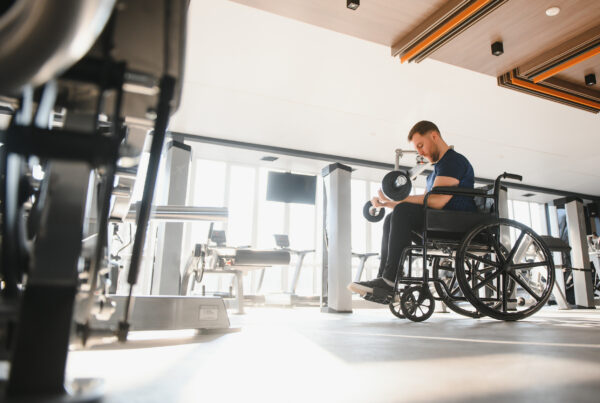
For Veterans managing chronic pain, the calculus is more complex. Movement that aggravates injury is counterproductive, and the fear of that outcome is legitimate. The research on pain and movement suggests that gentle, low-impact activity — walking, swimming, light stretching — correlates with better pain outcomes over time, even when it’s uncomfortable at first. The VA Whole Health program includes movement coaching specifically designed for Veterans with pain histories, and it doesn’t require a clinical referral at most facilities.
The quarter’s theme is Move. That word carries a lot of weight for a community where movement has often been compulsory, injury-producing, or tied to performance standards. This version of movement is different. It’s voluntary, low-stakes, and calibrated to what’s actually possible today — not what was possible at peak training. That distinction matters. Start with what you can do, not what you used to do.