
”Why does sleep matter so much for pain, mood, and recovery — and what can you actually do about it?
Reading Time: 2 Minutes
MWi Hacks:
-
Set a consistent wake time for the next seven days — your body clock will begin to reset itself around that anchor, improving sleep quality within a week.
MWi Summary:
- Sleep is the body’s primary recovery system — chronic poor sleep amplifies pain, stress, and emotional difficulty.
- Veterans and active-duty personnel experience sleep disruption at significantly higher rates than the general population — this is common,
and it’s treatable. - Sleep, movement, and mental health are deeply interconnected — improving one creates conditions for the others to improve too.
- Simple, free changes to sleep behaviour can produce real improvements — no prescription required.
- This community has already survived sleep deprivation at scale — the goal now is recovery, and it’s absolutely achievable.
Sleep is not downtime. It’s when your brain processes the day, consolidates memory, regulates emotion, and repairs the body’s systems. Chronic poor sleep doesn’t just make you tired — it can amplify pain, reduce your ability to manage stress, impair decision-making, and lower the emotional resources available for relationships and daily life.
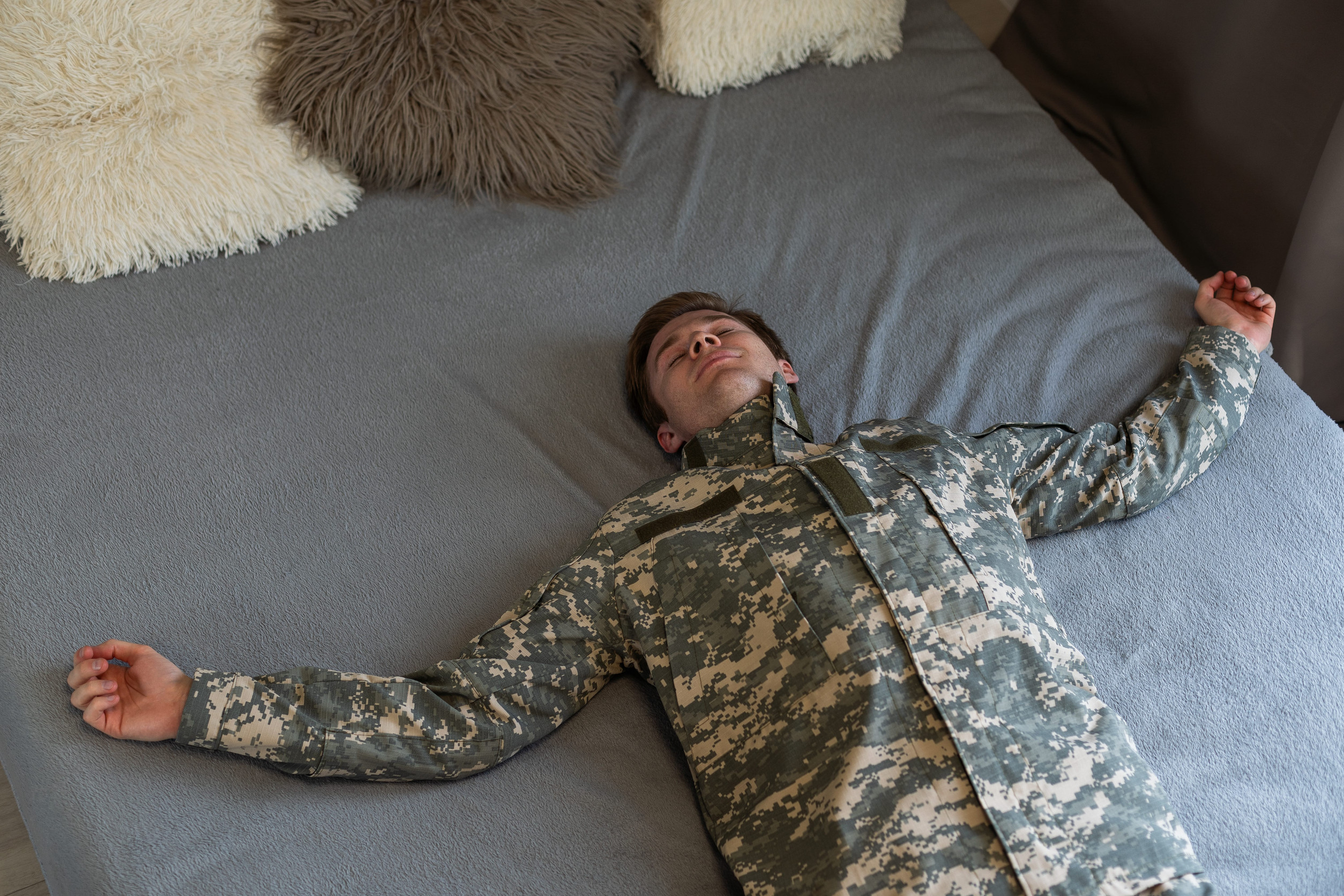
For Veterans and active-duty service members, sleep disruption is exceptionally common. Research suggests that rates of insomnia, sleep apnoea, and other sleep disorders are significantly higher in military populations than in the general public — driven by deployment schedules, shift work, hypervigilance, TBI, chronic pain, and the nervous system adaptations that come from sustained high-stress environments. This isn’t a character flaw or weakness. It’s a predictable consequence of service.
The good news is that sleep responds well to targeted intervention — and many of the most effective strategies are free.
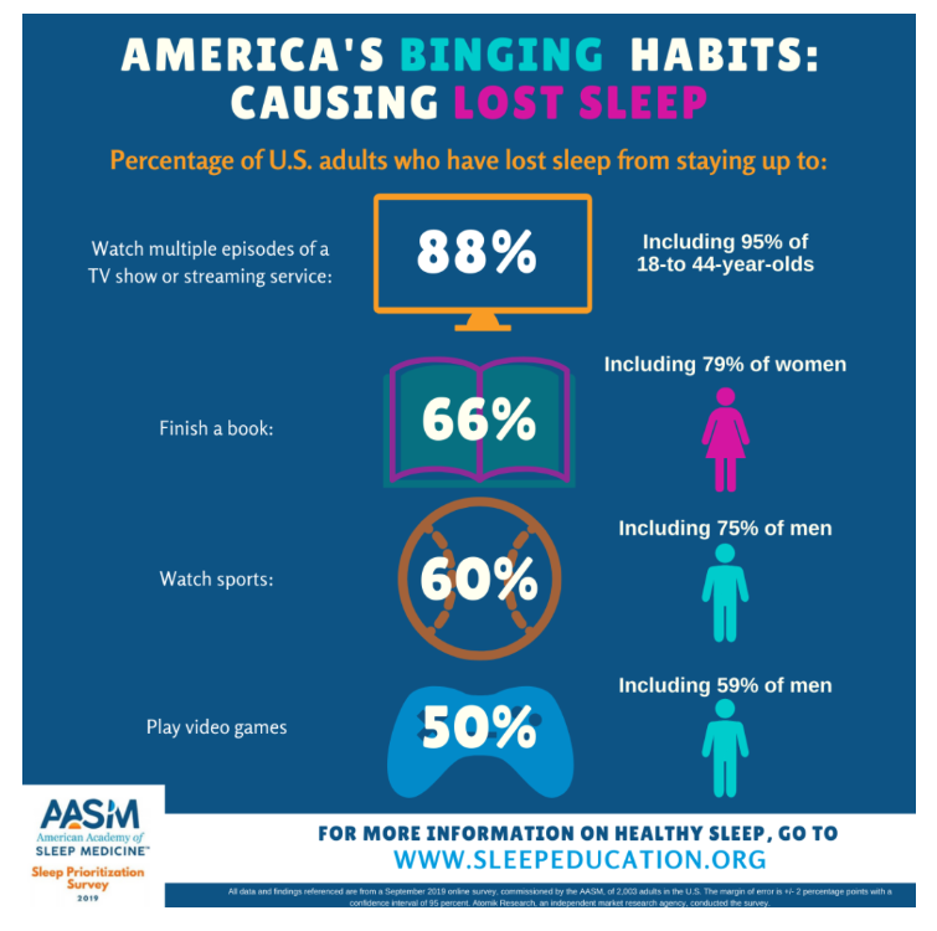
Sleep science has identified a cluster of behaviours that consistently improve sleep quality. Consistency is the most powerful of them: going to bed and waking at the same time every day, including weekends, anchors your body’s internal clock. Light exposure matters too — bright light in the morning signals your brain to be alert; darkness in the evening signals it to begin producing melatonin. Reducing screen exposure in the hour before bed and keeping your sleep environment cool and dark are low-cost, high-impact changes.
For Veterans managing hypervigilance or PTSD-related sleep disruption, these standard strategies may need to be adapted. Sleeping with a light on, positioning the bed to face the door, or using white noise to mask environmental triggers are all legitimate modifications that make a sleep environment feel safer — and a safer environment produces better sleep. Cognitive behavioural therapy for insomnia (CBT-I), available through the VA and many telehealth providers, has the strongest evidence base of any non-pharmacological sleep treatment and is available virtually.
Movement also supports sleep. Even gentle daily activity helps regulate the sleep-wake cycle and can reduce the time it takes to fall asleep. The two are mutually reinforcing — better movement supports better sleep, and better sleep supports better movement.
Military families and caregivers often experience sleep disruption for different reasons — the demands of care, children, and worry. The same principles apply, but a household approach helps. If everyone in a home is oriented around consistent sleep and wind-down routines, the conditions for good sleep improve for everyone.
You have already demonstrated an extraordinary capacity to operate under pressure. Sleep is how you recover from that — and you deserve to do it well.
Through our responsive content and dedicated support, MWi continues to serve the modern military and Veteran community by providing relevant, practical strategies for enhancing connection and wellness. Click below to see more articles: