

”Question: How does staying active support your mental health and stress patterns — and what's the right amount for you?
Reading time: 5 Minutes
MWi Hack:
-
Commit to 20 minutes of any movement three times this week — your brain will register the change before your body does.
MWi Summary:
- Movement is one of the most evidence-supported tools for managing anxiety, low mood, and stress — available to everyone.
- You don’t need a diagnosis or a referral to benefit — movement works as both prevention and support.
- Research shows that the mental health benefits of movement appear quickly — sometimes within a single session.
- Active-duty service members, Veterans, and families can all find approaches that match their constraints and conditions.
- Building a movement habit is one of the most transferable skills this community already has — structure, routine, accountability.
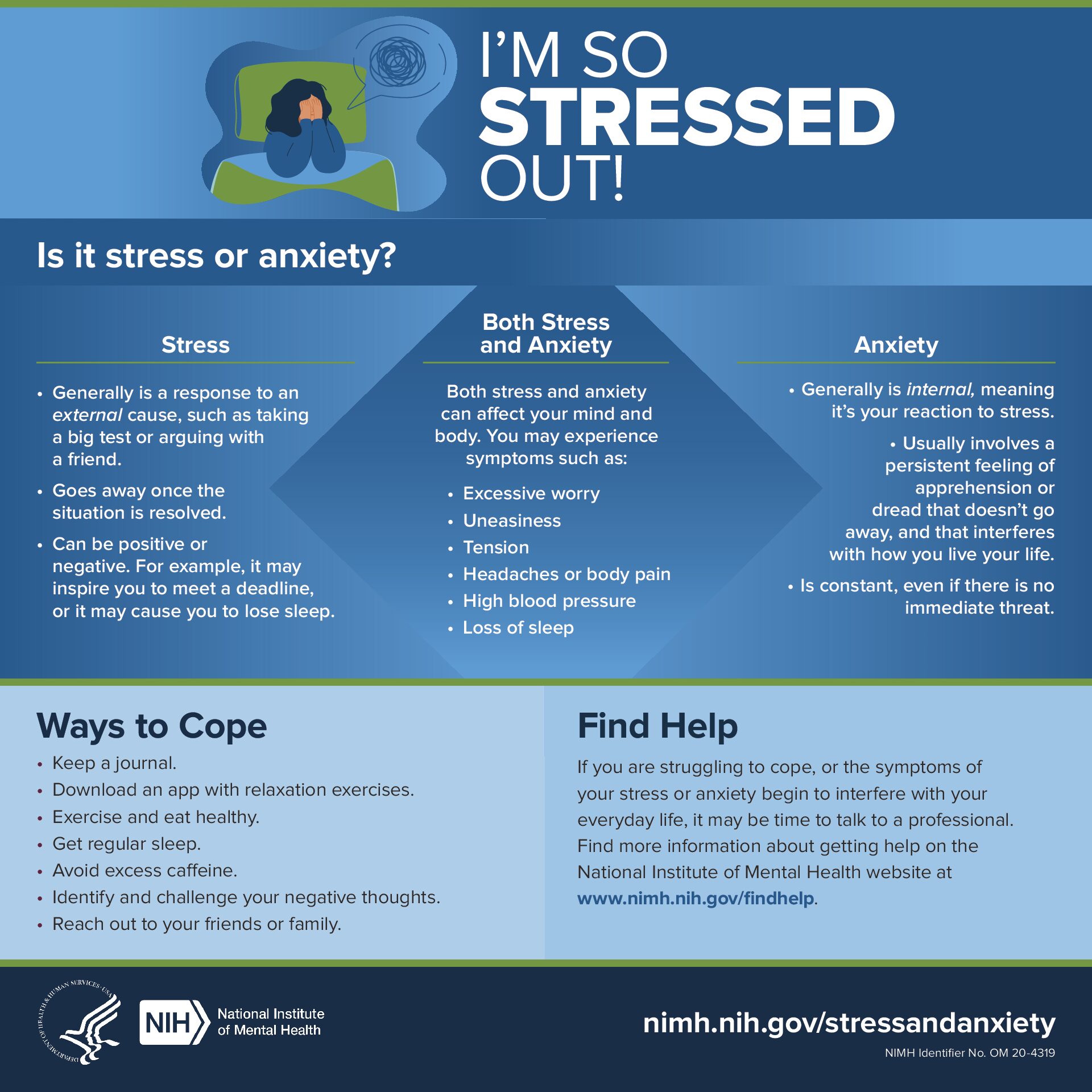
Mental health is physical health. That’s not a metaphor — it’s how the brain actually works. And movement is one of the most direct, accessible, and evidence-supported ways to influence it.
Research consistently shows that regular physical activity correlates with meaningful reductions in anxiety and depression symptoms. Studies have compared movement to medication for mild-to-moderate depression and found effects that are comparable — without the barriers of cost, access, or side effects that often accompany pharmacological treatment. That’s not a claim that movement replaces clinical care when it’s needed, but it is a strong case for taking it seriously as a first-line tool.
The mechanism is well-documented. Movement stimulates the release of endorphins, the brain’s natural mood elevators. It reduces cortisol, the body’s primary stress hormone. It supports the growth of new neural connections in the hippocampus — the brain region central to memory and emotional regulation, and one that is disproportionately affected by chronic stress and trauma. These are structural changes, not temporary feelings.
For this community, the mental health implications are especially significant. The Annual Survey consistently shows that service-related anxiety, emotional health, and the psychological weight of transition are among the top concerns for active-duty members, Veterans, and their families. Movement doesn’t fix these things — but it may create the neurological conditions in which people are better able to cope with, process, and work through them.
The threshold for benefit, again, is lower than expected. Research suggests that even a single session of moderate activity can produce a short-term mood lift. Over time, regular movement — defined in most studies as 150 minutes or more of moderate activity per week — produces more durable effects. But the research also shows that any increase from baseline carries benefit. If you’re currently doing very little, adding ten minutes three times a week is not nothing. It’s a start.
For those managing service-connected mental health conditions, movement works best as part of a broader support picture — alongside therapy, peer support, and clinical care where appropriate. It’s an additive tool, not a replacement. And the good news is that this community already understands the value of showing up consistently, even when it’s hard. That instinct is exactly what building a movement habit requires.
You already have the infrastructure for this. You just need to point it at yourself.