
Reading time: 5 Minutes
MWi Hack:
One thing to do this week- pick the one that fits:
-
If someone shaped you: Write their name down. You don’t have to send it anywhere. Just name them. If they’re reachable, consider telling them what they actually did for you. Most mentors never hear it.
-
If someone is watching you: Find five minutes this week to ask a junior person one question about where they want to go, then actually listen to the answer. No advice unless they ask for it.
MWi Summary:
- Father’s Day lands on June 21, but in military culture, the people who raised us professionally often weren’t our fathers. They were sergeants, coaches, senior operators, and colleagues who chose to invest time they didn’t have to give.
- Research consistently shows that mentored personnel have better career outcomes, greater job satisfaction, and more resilience under stress. The military has always known this, even if it hasn’t always named it as mentorship.
- Effective mentorship in military communities tends to be informal, voluntary, and outside the direct chain of command. The value is in the relationship, not the program.
- Being a mentor changes you too. It builds perspective, reinforces your own hard-won knowledge, and creates the kind of legacy that doesn’t show up in a fitness report.
- You don’t need a title or a formal role to do this. You just need to show up consistently for someone who needs the kind of guidance you once needed yourself.
The person who stayed in your corner probably didn’t think of it as mentorship. Neither will you, when you become that person for someone else.
The Person Who Stayed in Your Corner
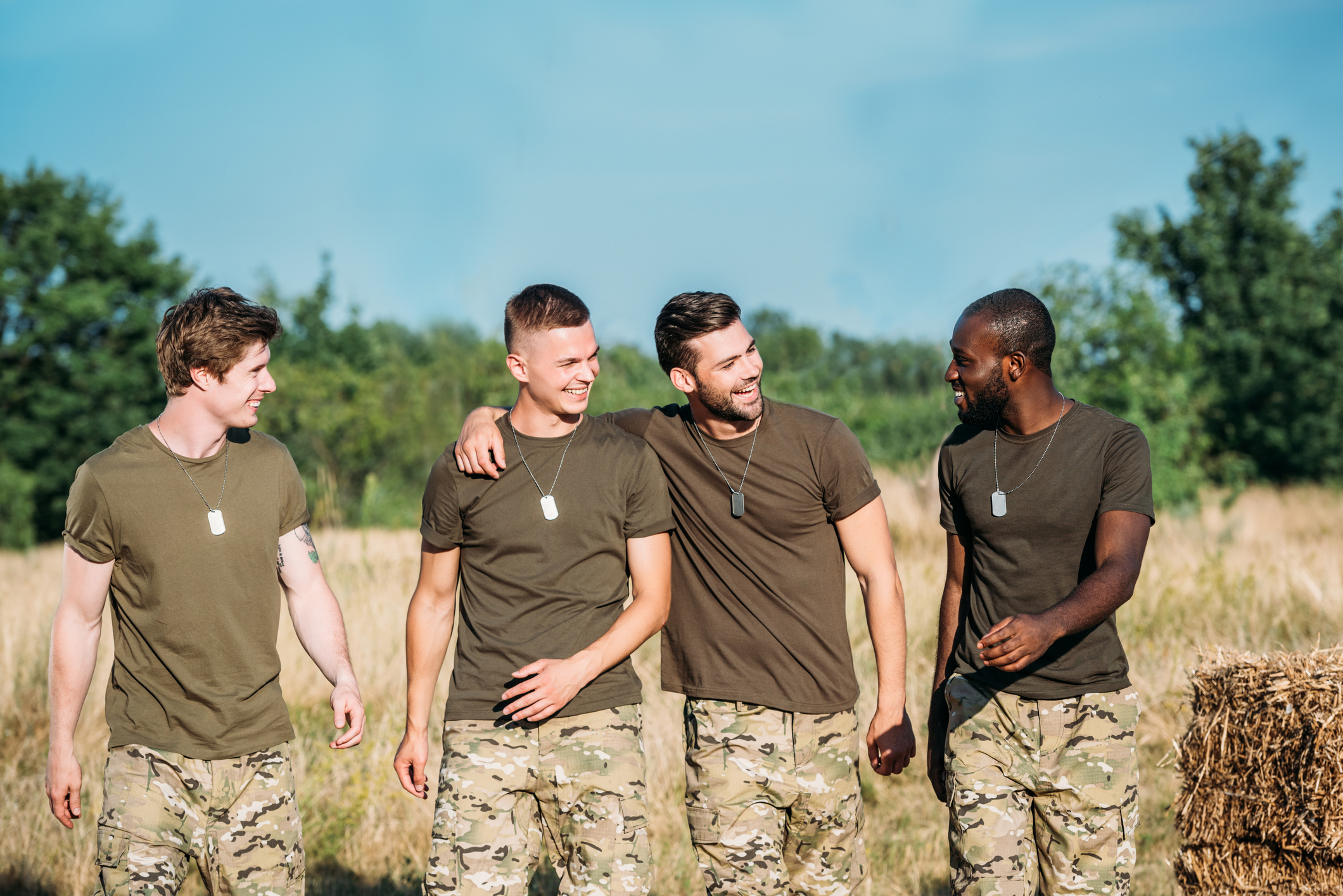
Father’s Day is the occasion, but this piece isn’t only about fathers. In military communities, the people who shaped us often showed up in less expected forms. A senior NCO who pulled you aside after a bad brief and told you the truth without destroying you. A coach who pushed past what you thought your limit was and then waited while you caught up. An operator with more deployments than he could count who took the time to answer questions he’d already answered a hundred times.
Mentorship in military culture is rarely formal. It lives in the ride back from the range, the debrief after something went sideways, the phone call years later from someone who remembered you when an opportunity opened up. Most people who have experienced it couldn’t have named it as mentorship while it was happening. They just knew someone was in their corner.
What the Research Says
The evidence on mentorship in military organizations is consistent. Research cited in U.S. Naval Institute Proceedings found that mentored personnel report better personal and career outcomes, more rapid promotion, greater productivity, and lower job-related stress. A scoping review published in the Journal of Military, Veteran and Family Health found that both mentors and mentees report positive experiences from mentorship relationships. The Army’s Center for the Army Profession and Leadership has repeatedly flagged “develops others” as the lowest-rated competency in its annual leadership surveys, which suggests the need is there even when the practice isn’t.
Importantly, research from AUSA suggests the most effective military mentorship exists outside the direct chain of command. A supervisor can develop you, evaluate you, and advocate for you, but a mentor who has no formal stake in your performance will tell you things a supervisor can’t. The distinction matters.
The Person You Were Given
Most people in this community can identify at least one person who took time they didn’t have to give. Someone who told you the hard thing because they’d rather you hear it from them than learn it the expensive way. Who remembered what it was like to be where you were, even if the circumstances were completely different.
Father’s Day is a reasonable moment to name that person, at least to yourself. The research on gratitude in psychological resilience is clear enough that this isn’t a soft suggestion. Acknowledging who helped build you is part of understanding what you’re made of and why. For many veterans and military family members, that accounting includes people whose names never appeared in any official paperwork.
If they’re still reachable, consider telling them. Most mentors never hear what they actually did. A specific, direct acknowledgment, not a generic thank you, but a description of the specific moment or the specific thing they said, is one of the more underused acts in this community.
The Person Who Might Be Watching You
At some point the direction of this shifts. The person who watched you become competent now has people watching them. The junior analyst, the new spouse navigating her first PCS, the kid two years out of selection who is doing everything right and has no idea yet. They are orienting to you whether or not you’ve agreed to the role.
Being a mentor doesn’t require a program or a title. According to research from the Army University Press, informal mentorship, the kind that forms organically outside of assigned pairings, is where most of the real development actually happens. What it requires is paying attention, being willing to share the lessons you earned the hard way, and having enough patience to let someone figure things out at their own pace while still being present when they need a course correction.
The mentor also gains something — the research is clear about this. It builds interpersonal skill, reinforces institutional knowledge, and generates a kind of professional legacy that performance metrics don’t capture. The senior operator who mentors five junior people over a career has multiplied his impact in ways that extend long past his own service.
What It Actually Looks Like
Good mentorship in military communities rarely looks like scheduled monthly check-ins with an agenda. More often it’s a pattern of availability, a willingness to take the call, answer the message, or give an honest opinion when asked. It’s the difference between someone who holds knowledge close and someone who transfers it.
It also doesn’t require the junior person to be easy. Some of the most impactful mentorship in this community happened with people who were difficult, talented, and completely unsure of what to do with either quality. Staying in the corner for someone like that is harder, and usually more consequential, than supporting someone who already has it figured out.
Father’s Day honors a particular kind of that relationship. But in military life, the constellation is wider. The people who shaped you, and the people you are shaping, are part of the same lineage whether or not any of you have ever used the word mentor.
Through our responsive content and dedicated support, MWi continues to serve the modern military and Veteran community by providing relevant, practical strategies for enhancing connection and wellness.
Sources: U.S. Naval Institute Proceedings, “How to Make Mentoring Work” (2009); AUSA, “Mentoring on a Division” (2023); AUSA, “Mentorship Can Be Used to Speed Transformation” (2026); Journal of Military, Veteran and Family Health, scoping review on military mentorship programs; Army University Press, Center for the Army Profession and Leadership annual leadership surveys. Original editorial synthesis for MWI.