
Reading time: 5 Minutes
MWi Hack:
- Before the next cookout, eat a normal meal or snack with protein and fiber. Show up fed, not starving. Every good decision at a cookout gets easier from that starting point.
MWi Summary:
- Veterans carry higher rates of Type 2 diabetes and hypertension than civilians the same age. Summer cookouts are a recurring challenge worth having a plan for.
- The real threats aren’t the grill. They’re the sugary drinks, high-sodium sides, white buns, and three hours of standing near the chip bowl.
- The plate method works anywhere: half non-starchy vegetables, a quarter lean protein, a quarter high-fiber carbs. A cookout spread can hit all three without anyone noticing you made a plan.
- Salt-free rubs with garlic powder, paprika, cumin, and black pepper deliver real flavor. Store-bought BBQ sauce is where most of the sodium hides. Use it as a finish, not a coat.
- Soda, sweet tea, and sugary cocktails are where blood sugar and calorie counts run up fast. Infused water, unsweetened iced tea, and sparkling water are legitimate replacements, not consolation prizes.
You earned the summer. The goal is to be present at the gathering, not to manage everyone’s perception of your plate.
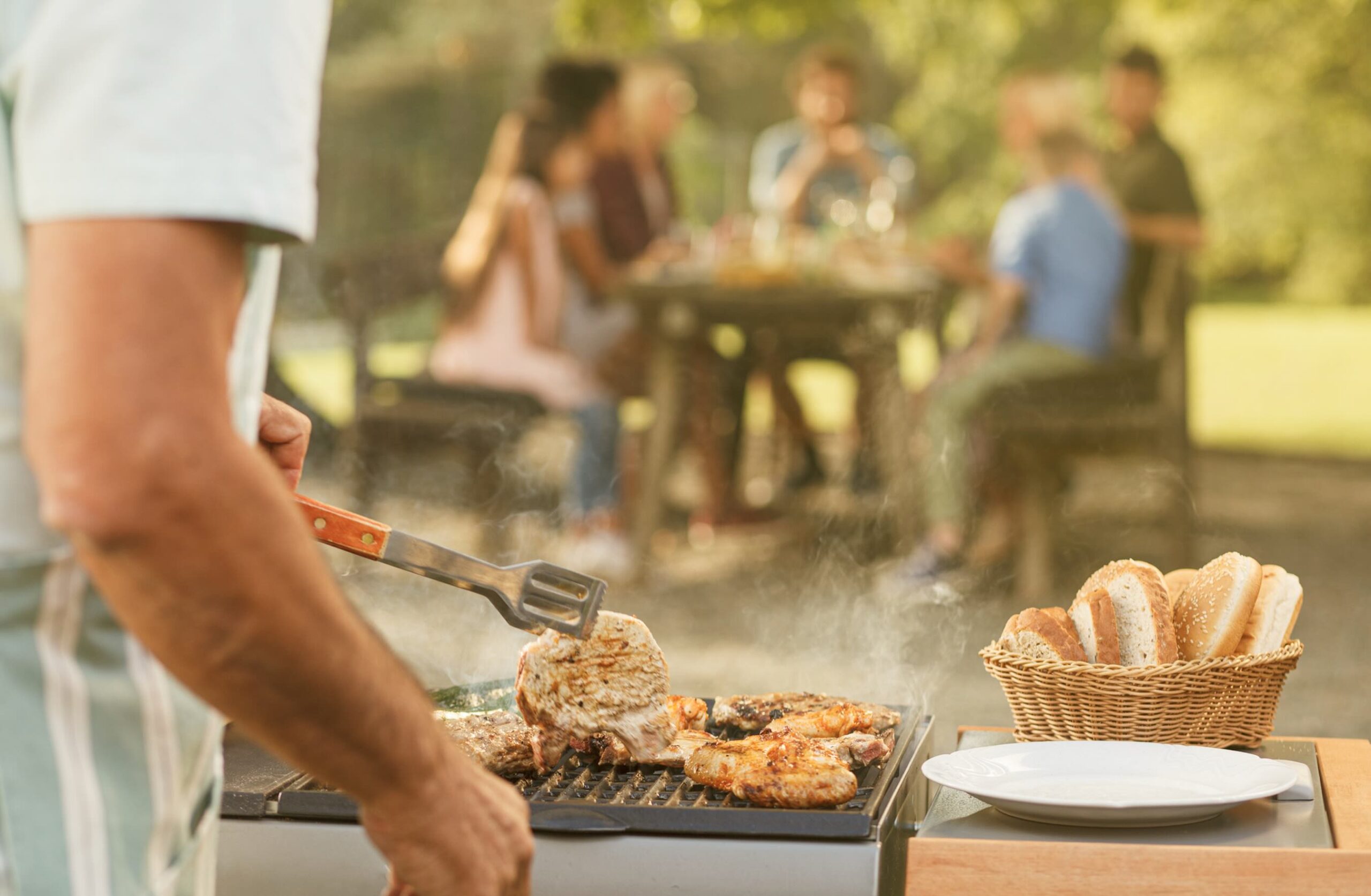
Summer in a military or veteran household has its own rhythm. Cookouts, block parties, family gatherings, a friend’s backyard on a Saturday afternoon. The grill is going, something cold is in a cooler, and the expectation is that you show up and eat. For most people, that’s straightforward. For the significant portion of the veteran community managing diabetes, hypertension, or weight, the same spread that everyone else navigates casually can feel like it requires a strategy before the first paper plate gets handed out.
It doesn’t. With a little preparation, you can show up to any cookout, eat real food, and leave without blowing up your numbers. This is not about restriction. It’s about knowing where the actual threats are and making a few smarter choices before you’re standing in front of the cooler.
The VA has documented that veterans carry higher rates of Type 2 diabetes and hypertension than civilians of the same age. Service-related stress, disrupted sleep, and the accumulated physical cost of careers that demanded everything from the body all play a role. The VA’s MOVE! Weight Management Program and the Healthy Teaching Kitchen at the Orlando VA Healthcare System address this directly through practical, hands-on nutrition education. The guidance here draws from those programs, the American Heart Association, and registered dietitians who work specifically with these populations.
Before the solutions, name what actually does the damage. It’s not the grill. It’s the sugary drinks, which spike blood sugar before the food even starts. It’s the high-sodium condiments and sides: store-bought BBQ sauce, baked beans, potato salad, macaroni salad. It’s the white buns and the chip bowl that sits at elbow height for four hours. And it’s the grazing. Cookouts are long. Standing near the food table and picking at things all afternoon adds up in a way that doesn’t register as eating a meal but very much is.
Skipping meals beforehand to save up makes all of this worse. Show up on empty and portion control is gone before you’ve filled your plate. Show up fed and you’re in a different conversation entirely.
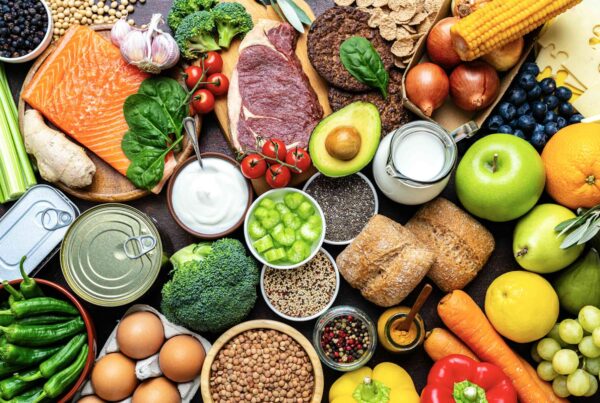
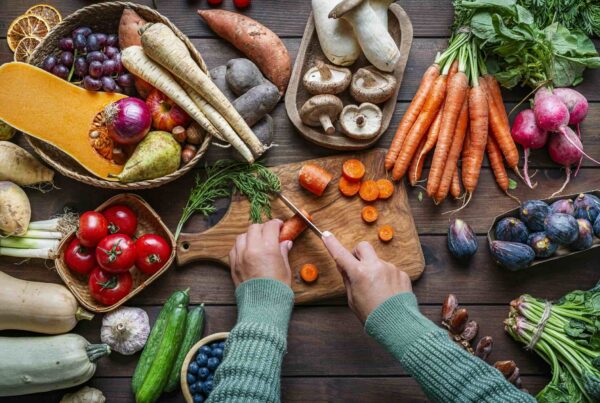
The plate method, recommended by the National Institute of Diabetes and Digestive and Kidney Diseases, works at any meal, including one eaten off a paper plate in a backyard. Half non-starchy vegetables, a quarter lean protein, a quarter high-fiber carbs. On a cookout spread, that looks like grilled chicken, fish, turkey burgers, or lean sirloin alongside grilled vegetables and a whole grain bun. Kebabs are particularly useful: one chunk of meat for every two or three vegetable chunks keeps portions in check without drawing attention to what you’re doing. Grilled vegetables, brushed with olive oil and seasoned with herbs, are not a consolation prize. Grilling brings out natural sweetness that raw vegetables don’t have.
Flavor is a separate question from sodium, and it helps to keep them separate. The American Heart Association recommends seasoning with no-sodium rubs and marinades. A salt-free rub with garlic powder, paprika, cumin, chili powder, black pepper, and rosemary delivers real flavor. For lean cuts, olive oil, lemon juice, garlic, and vinegar do the same. Store-bought BBQ sauce is one of the main sodium sources at a cookout. A tablespoon as a finish is a different thing than a full coat before and during cooking.
Drinks are where a lot of people lose significant ground without realizing it. A standard can of soda carries roughly 40 grams of sugar. Sweet tea from a gallon jug is usually unlabeled and often very sweet. Mixed drinks with juice or simple syrup can add 300 calories before the food starts. Water infused with cucumber, lemon, mint, or berries takes two minutes to prepare and holds up in a pitcher all afternoon. Unsweetened iced herbal tea, particularly hibiscus, is a solid option that some research suggests may support healthy blood pressure. Sparkling water fills the role that soda usually fills without the sugar load. If you drink alcohol, light beer or spirits with soda water are lower-sugar options. The VA recommends limiting alcohol for anyone managing hypertension, as it raises blood pressure directly.
A few other things that help: standing away from the food table removes the stimulus rather than relying on willpower. If the chips are in front of you, you’ll eat them. If you’re across the yard, you probably won’t. A smaller plate makes normal portions look like normal portions. And you don’t owe anyone an explanation for what’s on it. Grab it, fill it with what works, and get back to the people you came to see.
One note for anyone managing hypertension or diabetes: summer heat adds a variable that doesn’t always get discussed. Heat can affect how certain medications behave and cause blood pressure to drop or blood glucose to shift in unexpected ways. Dehydration compounds both. Several hours outside in July means staying hydrated is part of managing your condition that day, not separate from it. Talk to your VA care team if you have questions about how heat and outdoor activity interact with your specific medications.
Summer cookouts are not a problem to manage around. They’re part of how this community relaxes, connects, and marks time together. Lean protein, grilled vegetables, salt-free seasoning, water or low-sugar drinks, and a plate that roughly follows the plate method. That’s the whole framework. You don’t have to announce it or eat in a way that makes you feel like you’re sitting out.
Enjoy the grill. Enjoy the company.
Through our responsive content and dedicated support, MWi continues to serve the modern military and Veteran community by providing relevant, practical strategies for enhancing connection and wellness. Sources for this article include the American Heart Association, VA MyHealtheVet, the VA Orlando Healthy Teaching Kitchen program, and the National Institute of Diabetes and Digestive and Kidney Diseases. For further information visit: https://www.nutrition.va.gov/