
Reading time: 4 Minutes
MWi Hack:
- This week, make one swap. Not a diet overhaul: one thing. Research on dietary change consistently shows that single-item swaps that hold are more effective than broad changes that don’t. The most common starting points: replace processed snack foods with walnuts or almonds, switch from seed oils to olive oil in cooking, or add one serving of fatty fish (salmon, sardines, mackerel) this week. Pick one. Notice how you feel three days later. That’s data.
MWi Summary:
- Chronic pain is the top concern for Veterans in MWI’s 2026 annual survey. What you eat is one of the few evidence-backed levers for managing it that doesn’t require a prescription or a referral.
- Chronic pain and inflammation are tightly connected. Many foods common in Western diets are pro-inflammatory. Others actively reduce inflammation. The difference shows up in pain severity, fatigue, and how the body recovers from exertion.
- Anti-inflammatory eating patterns have been studied in military and veteran populations specifically, not just the general public. The findings are consistent: dietary change produces measurable reductions in pain severity and physical fatigue.
- The gut-brain connection adds a second pathway. The same dietary choices that affect inflammation also affect serotonin production, roughly 90 percent of which happens in the gut. This is why nutrition and mental health outcomes are linked in the research, not just in theory.
- The VA Whole Health program includes nutrition as a component of chronic pain management. Most Veterans who are eligible don’t know they can access it through VA primary care.
- You don’t have to change everything at once. The research supports starting with one substitution and building from there.
Chronic pain in the military and veteran community is not a fringe issue. It’s the most commonly reported health concern among Veterans in MWI’s annual survey, ahead of sleep problems, mental health concerns, and financial stress. For many members, it’s the background condition that shapes everything else: how well they sleep, how much they can move, how they feel on any given day.
Most chronic pain management discussions focus on medication, physical therapy, and surgical options. Those matter. But there is a category of intervention that is rarely discussed in clinical settings and almost entirely absent from the mainstream conversation around veteran health: what you eat.
Inflammation as the Common Thread
Most forms of chronic pain (including joint pain, back pain, neuropathic pain, and the musculoskeletal injuries common in military service) involve inflammation as a component. Inflammation is the body’s standard response to injury or infection, and in acute form it’s useful. When it becomes chronic, it amplifies pain signals and slows recovery.
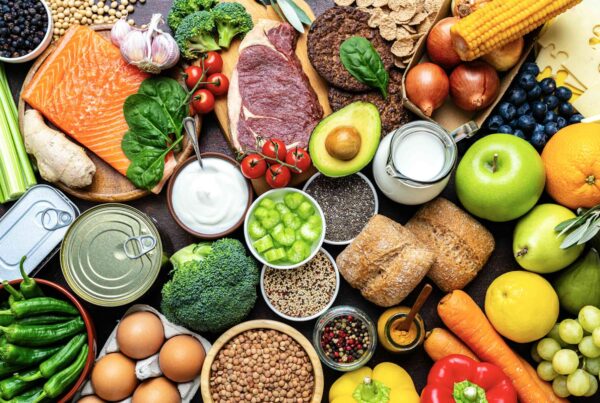
Diet is one of the most direct inputs into systemic inflammation. Ultra-processed foods, refined carbohydrates, added sugars, and certain seed oils are consistently associated with higher inflammatory markers in the blood. Whole foods, particularly fatty fish, leafy greens, berries, nuts, and olive oil, are associated with lower ones. This is not a marginal effect. Multiple large-scale studies, including work published in the American Journal of Clinical Nutrition and the Journal of Pain Research, show that dietary pattern changes produce measurable shifts in inflammatory biomarkers within weeks.
For someone already managing chronic pain, those shifts can translate into real changes in pain severity and daily function.
What the Research Shows in Military and Veteran Populations
The research on diet and chronic pain in military populations has been growing. A 2022 review published in the journal Military Medicine examined nutritional interventions for Veterans with chronic musculoskeletal pain and found consistent evidence that anti-inflammatory dietary patterns reduced self-reported pain severity and improved fatigue outcomes compared to standard care alone.
The VA’s Whole Health program, which integrates nutrition as one of eight components of care alongside movement, mental health, and sleep, is built on this evidence base. Research on the program’s outcomes found that Veterans who engaged with the nutrition component reported improvements in pain management that were comparable to those achieved through medication adjustments, with fewer side effects.
The Mediterranean diet and its variants show the strongest and most replicated evidence for pain reduction specifically. The core pattern: high in vegetables, legumes, whole grains, fish, and olive oil; low in processed foods, red meat, and added sugar. It is not a strict regimen. Most of the research shows benefit from partial adoption, not strict adherence.
The Gut-Brain Connection
The connection between diet and pain is not limited to inflammation. The gut-brain axis (the communication network between the digestive system and the central nervous system) adds a second pathway. The gut produces roughly 90 percent of the body’s serotonin. What you eat directly affects the microbiome that regulates that production.
This is why mental health outcomes appear in the nutrition research alongside pain outcomes. Dietary patterns that reduce inflammation also support a more stable gut microbiome, which affects mood, stress response, and the perception of pain. For Veterans managing both chronic pain and mental health concerns (which the 2026 survey data suggests is a significant overlap), diet is one of the few interventions that addresses both simultaneously.
Starting Somewhere
The strongest message from the research is also the most practical one: partial change matters. Studies comparing strict dietary adherence to partial adoption consistently show that even modest shifts toward anti-inflammatory eating produce measurable outcomes. The barrier to starting is lower than most people assume.
The VA Whole Health program is available to Veterans through VA primary care. It is not a referral program; it is a standard part of care at participating facilities. A conversation with a VA provider about nutrition as a component of pain management is a reasonable starting point. The program’s online resources are also available without a clinical appointment.
For those not currently connected to VA care, the research is clear enough to act on yourself. One substitution. One week. That’s data.
Resource
NIH National Center for Complementary and Integrative Health (https://nccih.nih.gov/health/chronic-pain-in-depth) — evidence review of complementary approaches to chronic pain, including dietary interventions
Additional Resources
Military OneSource (militaryonesource.mil/health-wellness/) — health and wellness resources for service members, veterans, and military families
Arthritis Foundation (arthritis.org) — practical anti-inflammatory eating guidance for managing pain and inflammation; non-military resource
USDA MyPlate (myplate.gov) — federal evidence-based nutrition guidance framework; non-military resource